Do you grow apples, pecans, or nursery crops?
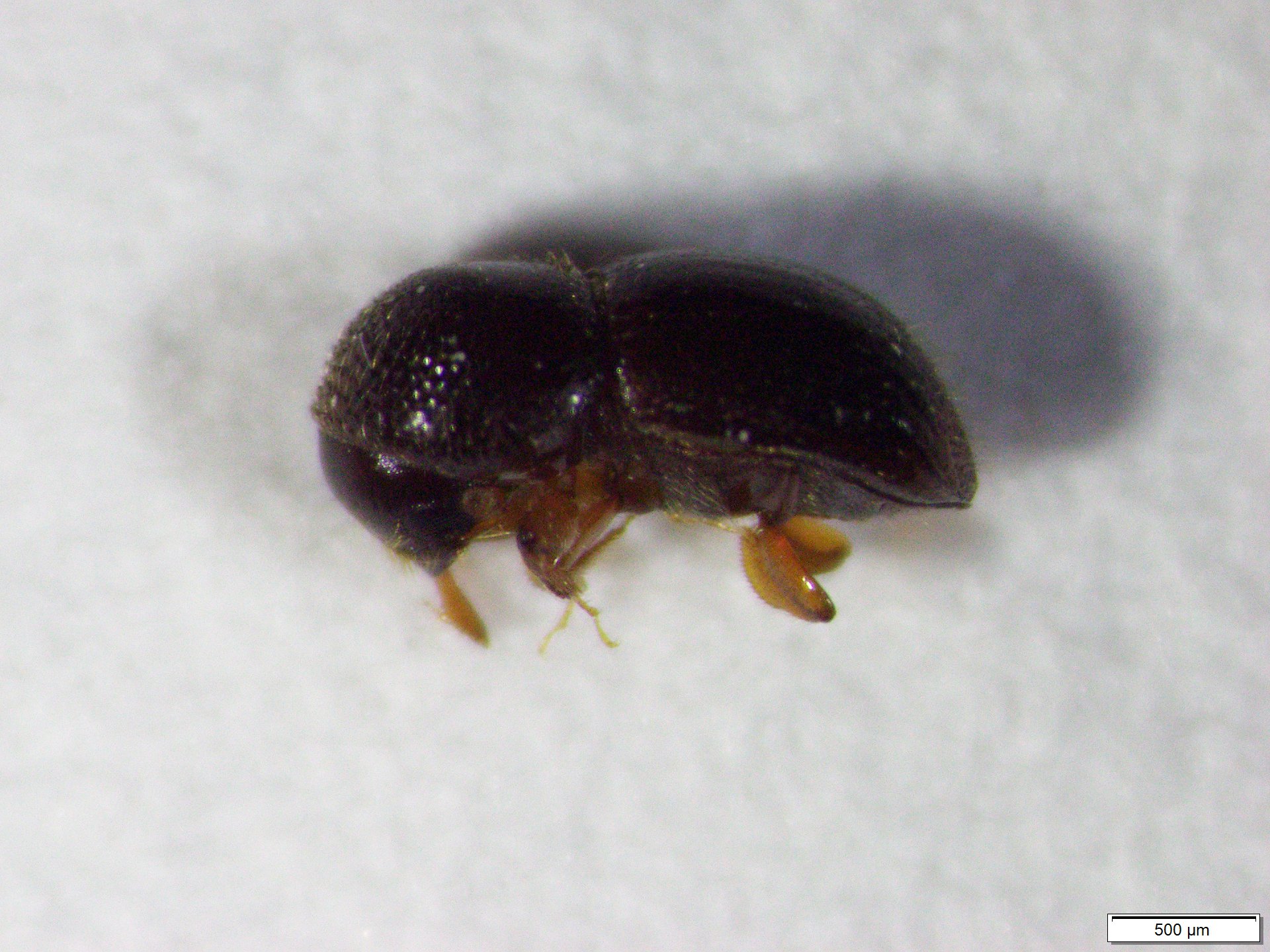
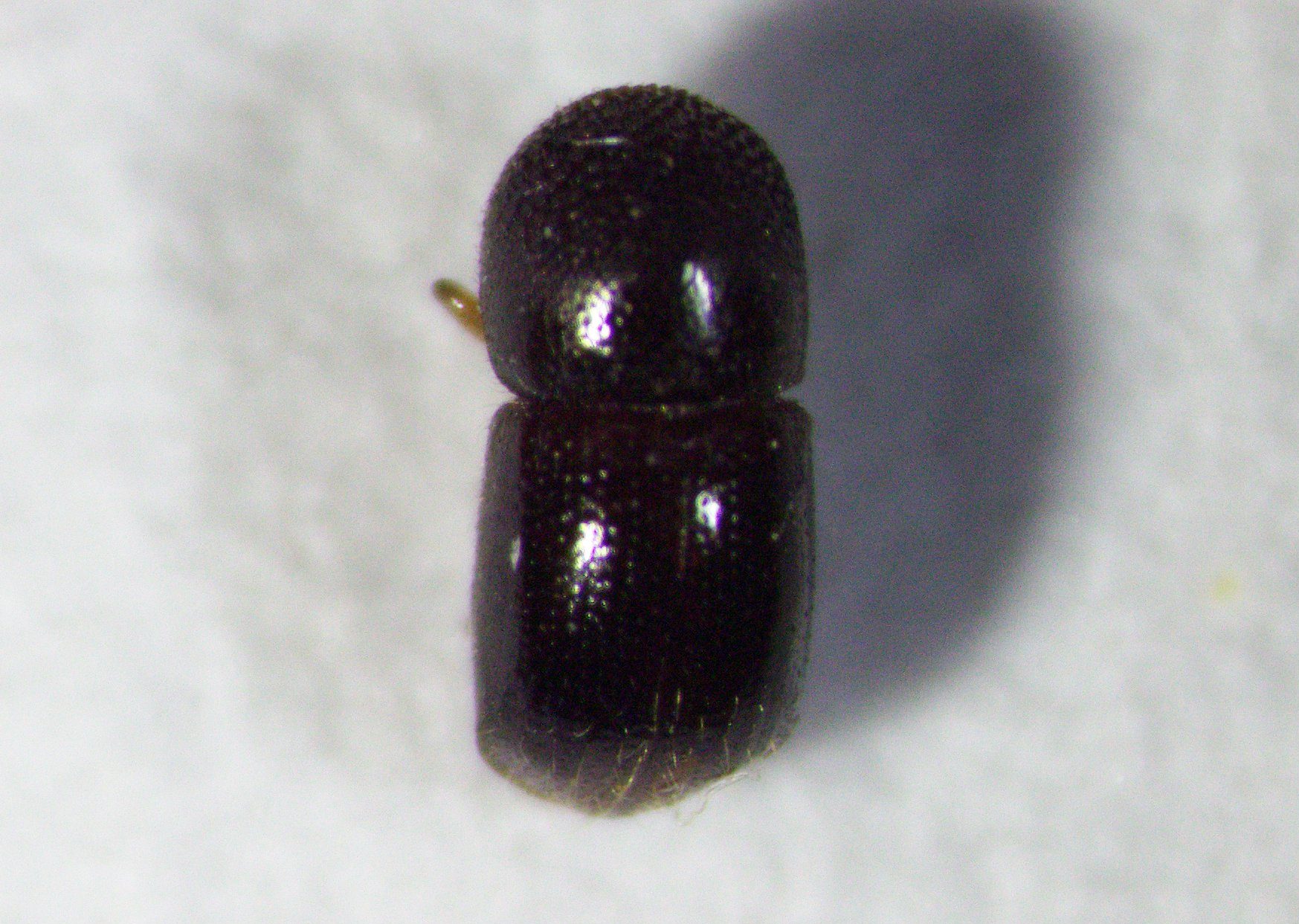
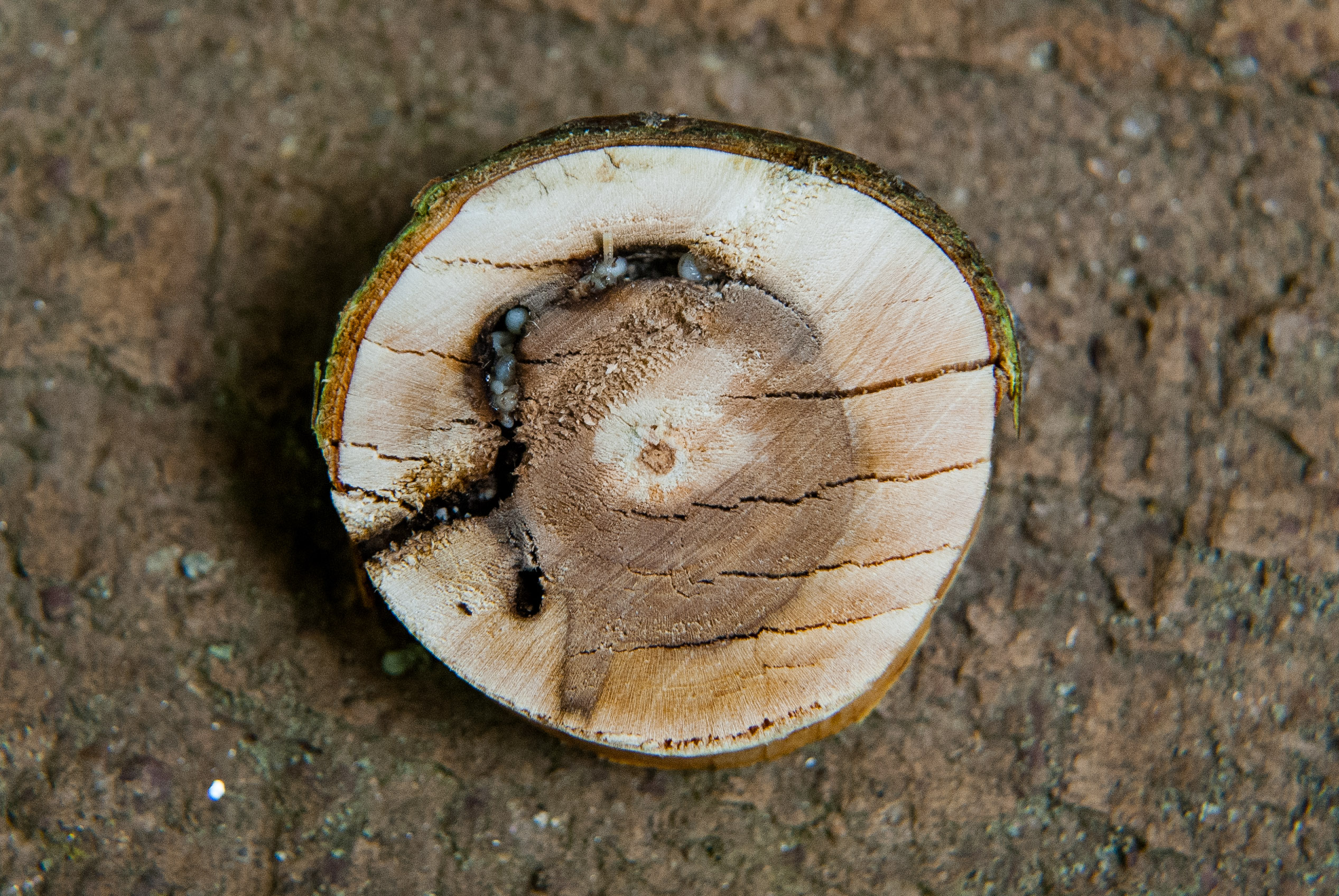
Ambrosia beetles (Xylosandrus spp.) are invasive insect pests that are known to cause significant damage in both woody ornamentals and tree crops, especially in young trees. Many species are attracted to the elevated levels of ethanol produced by stressed trees, notably those that have experienced flood or freeze damage. Ambrosia beetles are so called because they do not feed directly on the tree, instead excavating galleries within the tree tissue in which they cultivate fungi on which they and their progeny feed. The presence of this fungus elicits a defense response in the tree which walls off the affected vasculature and can lead to symptoms such as dieback and wilting.
Male ambrosia beetles seldom leave the galleries in which they were born, instead remaining and mating with any female progeny which at maturity exit the galleries in search of another tree to rear their brood. Females overwinter in galleries and emerge in Spring, generally initiating flight when temperatures exceed ~60°F. There are two generations of beetles each year.
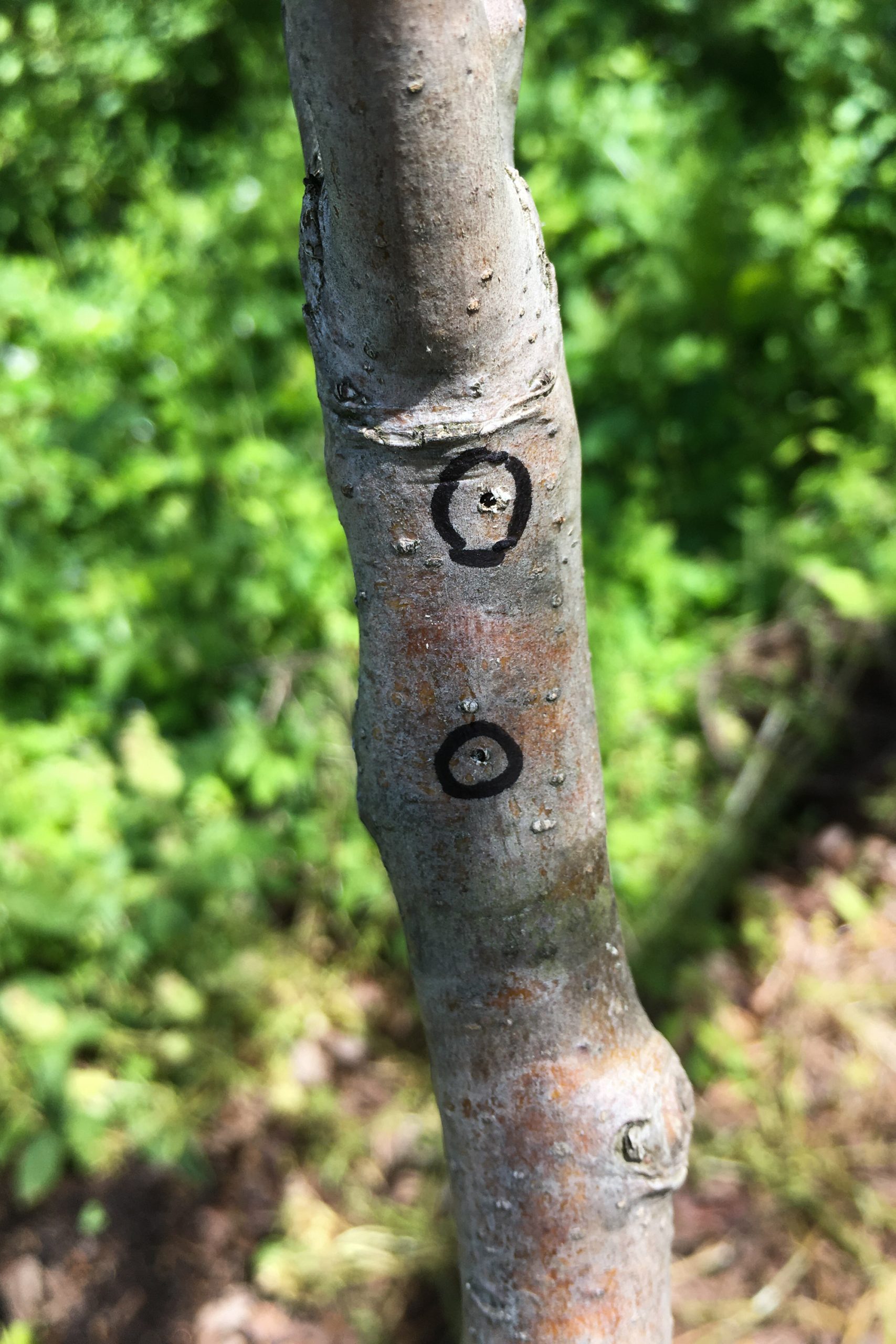
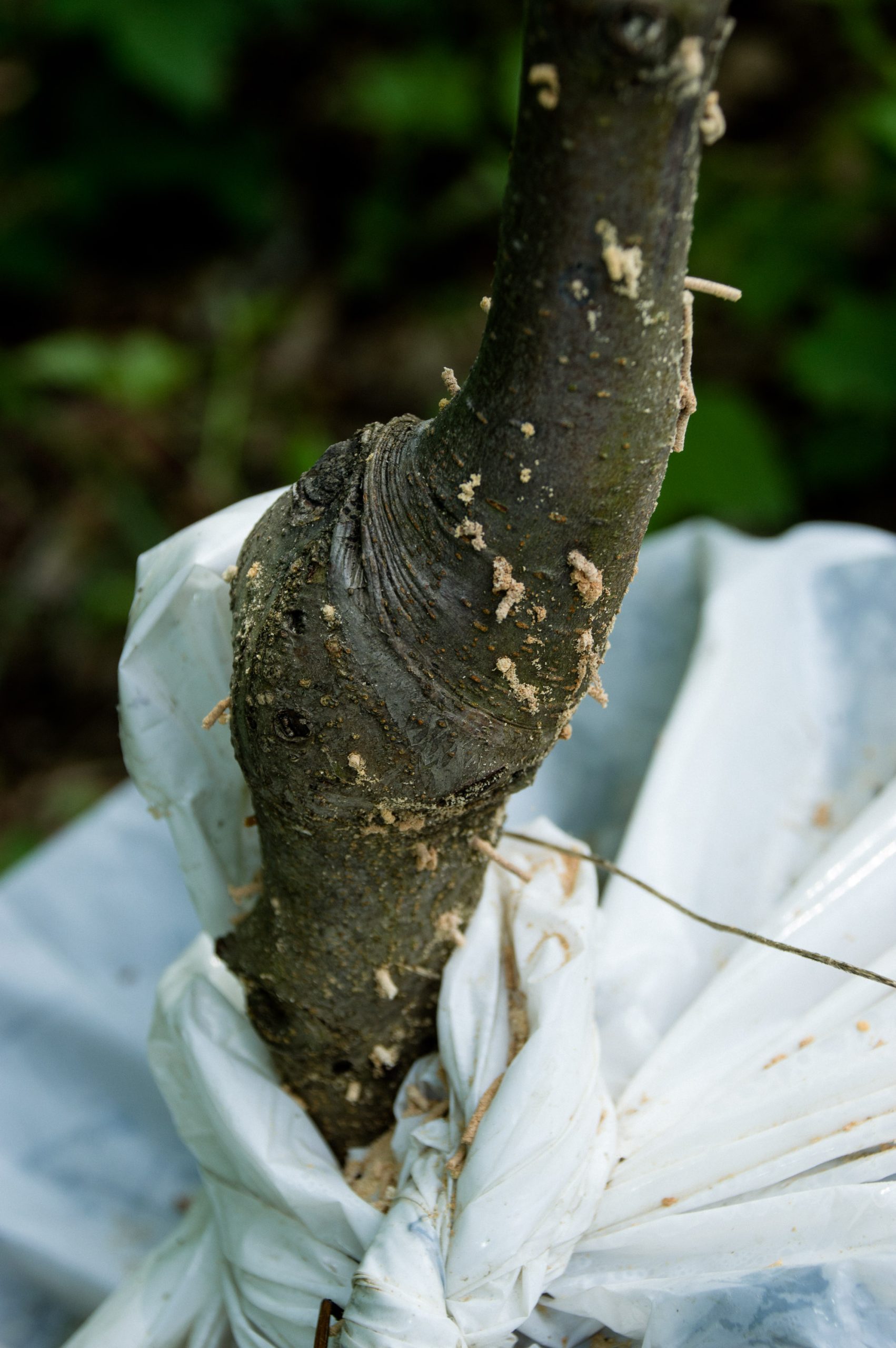
Multiple species of ambrosia beetle have been found in apple orchards through trapping efforts, but the black stem borer (Xylosandrus germanus) and the granulate ambrosia beetle (Xylosandrus crassiusculus) appear to be among the most common. Ambrosia beetle infestations become evident through the appearance of sawdust “toothpicks” emerging from tree trunks. These toothpicks are fragile and easily washed or blown away. Other symptoms include wilting or die-back. Ambrosia beetles have also been associated with Rapid Apple Decline (RAD). RAD most often affects young apple trees in high-density systems.
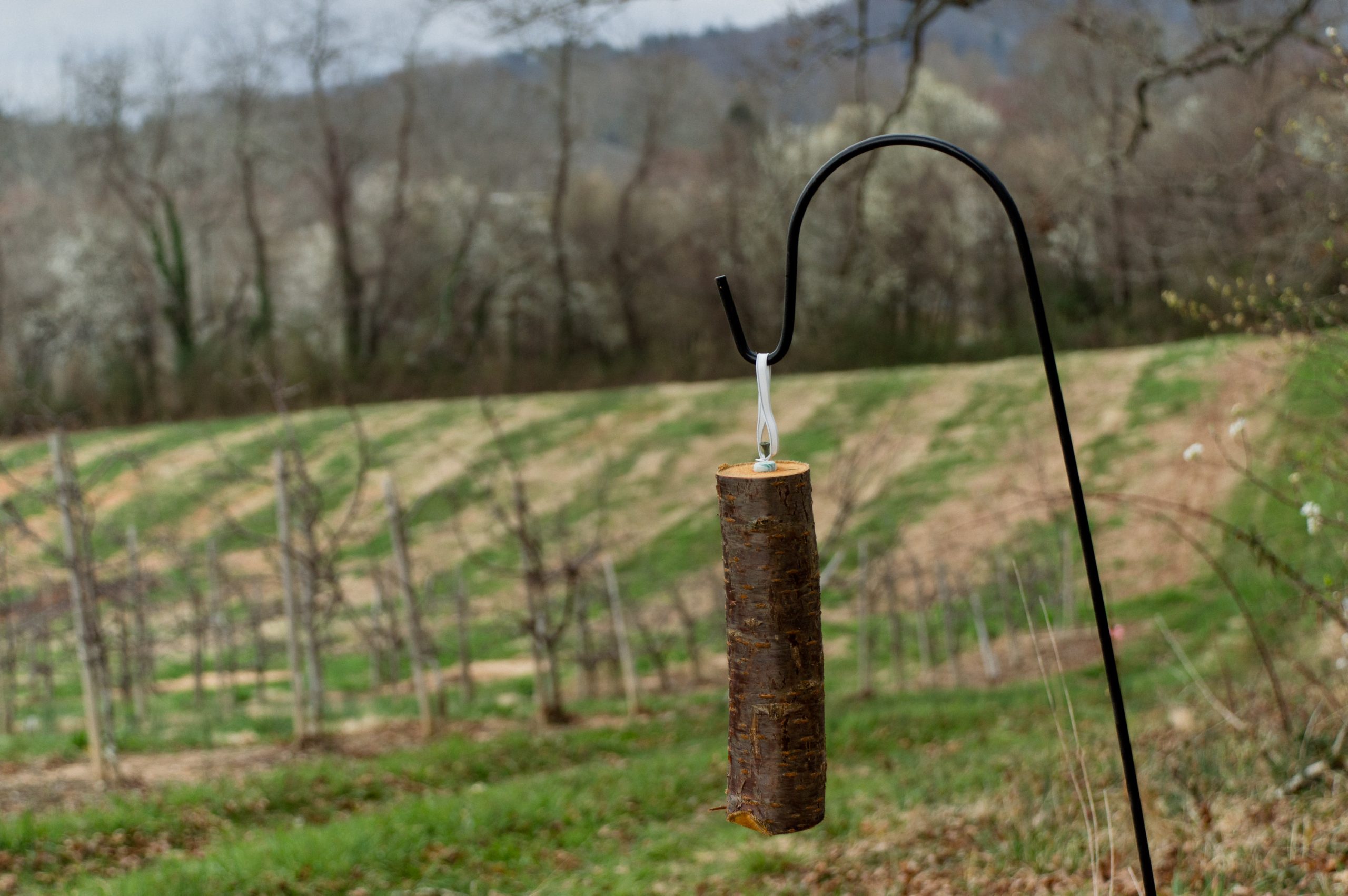
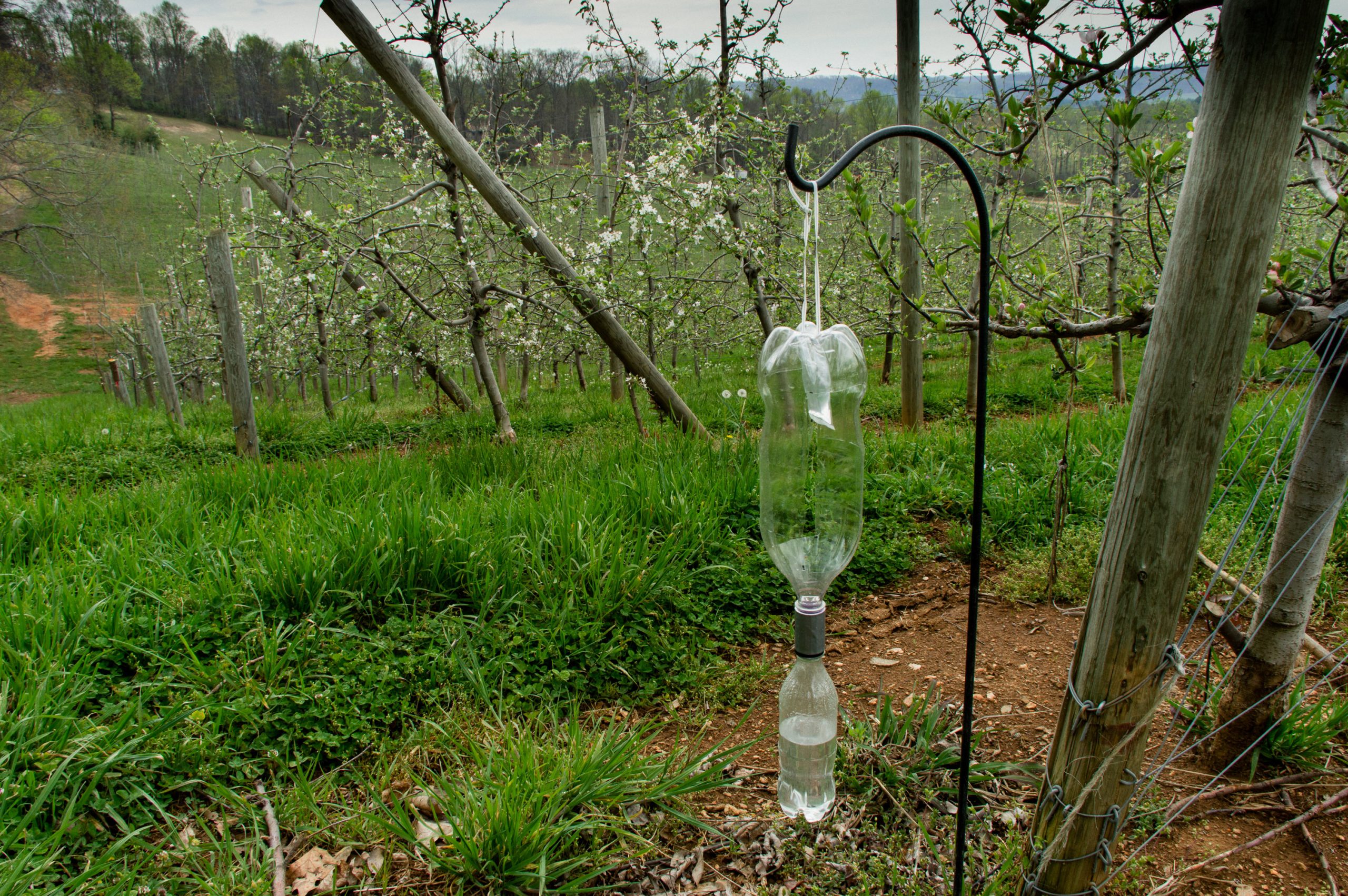
Because the “toothpicks” created by boring activity are easily washed or blown away, active monitoring should take place in the form of ethanol-baited traps. Wood bolts soaked in ethanol or bottle traps baited with an ethanol lure (AgBio Inc, Westminster, CO) are both effective, though some work is required to retrieve beetles from ethanol-infused bolts for species identification. Lures used in bottle traps last up to 8 weeks and are easy to deploy. Beetle activity can begin as early as February and extends into late summer, though it usually peaks in April/May.
Because many ambrosia beetle species preferentially attack stressed trees, the best defense comes by maintaining tree health. Minimizing drought, flood, and freeze stress will reduce the likelihood of ambrosia beetle attack. Insecticides, particularly pyrethroids, can be used, but because ambrosia beetles spend most of their lives in protected galleries, this is more preventive to reduce the number of new attacks. Young trees should be inspected regularly, particularly in the presence of known stress factors.
Written by: Jensen T. Hayter (Postdoc, NCSU Entomology & Plant Pathology), James F. Walgenbach (Co-PI, NCSU Entomology & Plant Pathology)